Fall Allergies in North Carolina: Is Your HVAC System Helping or Hurting?
Fall in Shelby, NC, is one of the best times of the year. The temperatures are finally cooling down, the leaves are changing colors, and we're getting a much-needed break from the summer heat. But while fall brings beautiful weather to Cleveland County, it also brings something a little less enjoyable: seasonal allergies. If you've been dealing with sneezing, itchy eyes, congestion, or a runny nose lately, you're certainly not alone. Ragweed pollen, mold spores, and other airborne allergens can become a problem during the fall months in North Carolina. What many homeowners don't realize is that their heating and cooling system can play a role in the air they're breathing inside their homes. At Bill Shuford Heating & Air, we want to help you enjoy everything fall has to offer without worrying about what's floating around in your indoor air.
Why Are Fall Allergies So Common in North Carolina?
When most people think about seasonal allergies, spring is usually the first season that comes to mind. However, fall can be just as challenging for allergy sufferers. In Shelby and the surrounding areas, several factors can contribute to poor air quality during autumn.
Ragweed Pollen
Ragweed is one of the most common fall allergens in the Southeast. Its pollen season typically begins in late summer and can continue until the first significant frost. Because pollen travels through the air, it can easily find its way into your home through open doors, windows, and even on your clothing.
Falling Leaves and Mold
Those colorful leaves covering your yard may look beautiful, but piles of damp leaves can create an environment where mold grows. As leaves begin to decompose, mold spores can become airborne and contribute to allergy symptoms.
Dust and Indoor Allergens
As temperatures cool and homeowners begin spending more time indoors, dust, pet dander, and other indoor allergens can become more noticeable. While your HVAC system isn't necessarily creating these allergens, poor filtration and airflow can allow particles to continue circulating throughout your home.
1. Your Air Filter Is Your First Line of Defense
One of the simplest ways to improve your home's indoor air quality is to check your HVAC air filter regularly. Your system's filter helps capture dust, pollen, pet dander, and other airborne particles as air circulates through your heating and cooling equipment. However, when a filter becomes dirty or clogged, it can restrict airflow and reduce system performance. During fall allergy season, consider checking your filter monthly and replacing it as needed. If allergies are a concern in your household, you may also want to ask about higher-efficiency filtration options. Just remember that not every HVAC system is designed to accommodate every type of filter, so it's important to choose one that's compatible with your equipment.
2. Be Mindful of When You Open Your Windows
There's nothing quite like opening your windows on a beautiful October afternoon and letting the fresh fall air inside. However, if you or someone in your household suffers from seasonal allergies, opening windows can also invite pollen and other outdoor allergens into your home. On days when pollen counts are high, keeping windows closed and allowing your HVAC system to circulate filtered indoor air may help reduce exposure. You can still enjoy the cooler temperatures outside while taking a few extra steps to keep allergens from building up indoors.
3. Keep Your HVAC System Clean
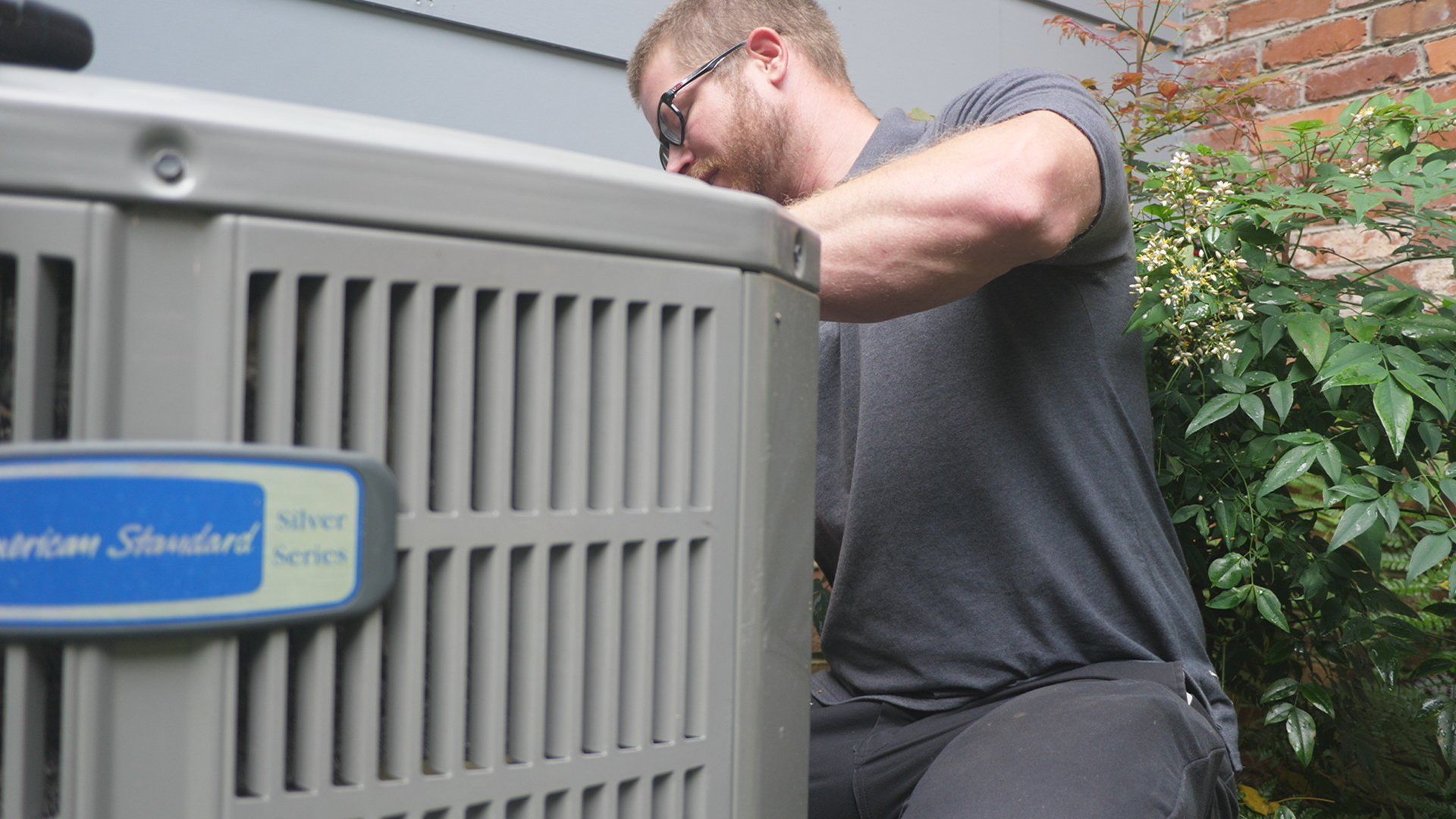
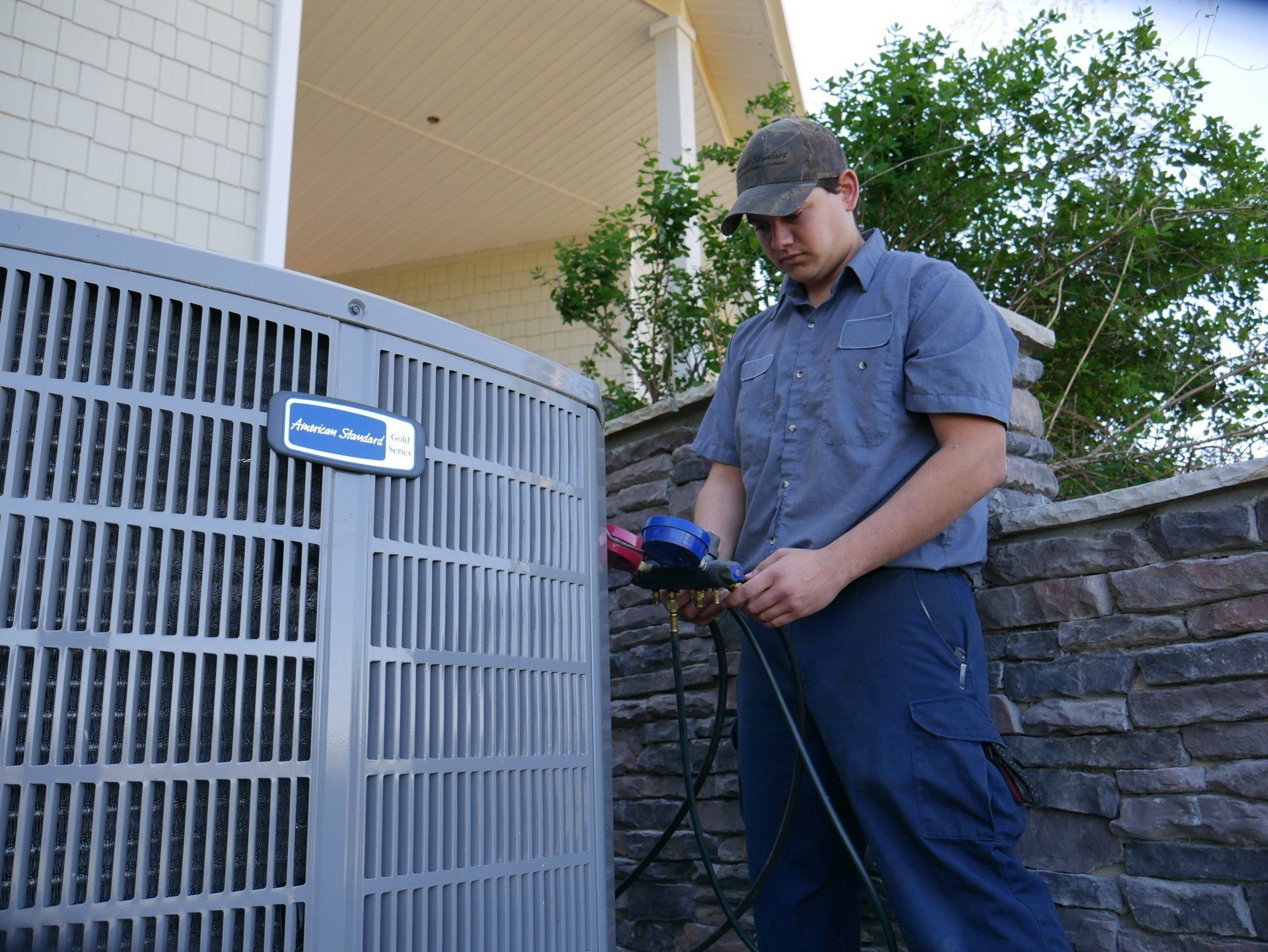
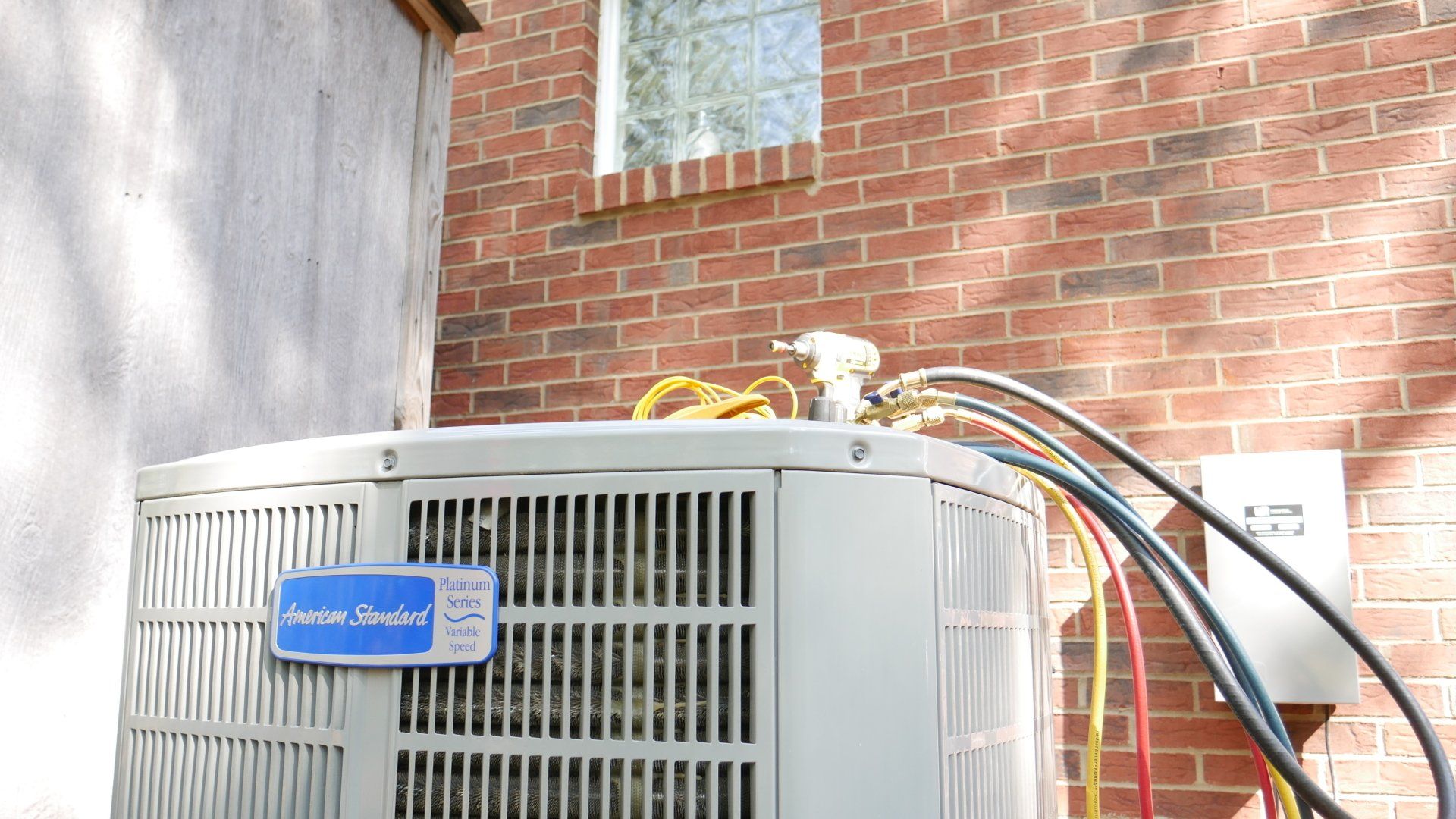
Over time, dust and debris can accumulate on certain HVAC components. If your system isn't properly maintained, buildup can affect airflow, efficiency, and potentially your indoor air quality. Routine HVAC maintenance can help identify issues such as dirty coils, drainage problems, and airflow restrictions before they become more serious. Fall is a convenient time to schedule an inspection, especially after your system has worked hard throughout the hot North Carolina summer. Keeping your equipment in good working condition helps support both home comfort and cleaner indoor air.
4. Don't Overlook Your Home's Humidity Levels
Although the intense summer humidity is starting to fade, moisture can still be an issue during the fall months. Excess indoor humidity can create conditions that encourage mold and dust mite growth, both of which may contribute to allergy symptoms. On the other hand, extremely dry indoor air can irritate your nose and throat. For most homes, maintaining indoor relative humidity around 30% to 50% is a good goal.
If your home frequently feels damp, smells musty, or develops condensation around windows, it may be worth having your HVAC system and humidity levels evaluated.
5. Consider Additional Indoor Air Quality Solutions
Sometimes, changing your air filter and keeping up with regular maintenance isn't enough to address ongoing indoor air quality concerns. Depending on your home and HVAC system, additional solutions may be helpful. These could include:
- Upgraded air filtration: Higher-efficiency filters or dedicated filtration systems can help capture more airborne particles.
- Whole-home air cleaners: These systems work with compatible HVAC equipment to provide additional air filtration.
- Humidity control: Whole-home dehumidification or humidification equipment can help maintain more comfortable indoor moisture levels.
- Ventilation improvements: Proper ventilation can help reduce the buildup of certain indoor pollutants.
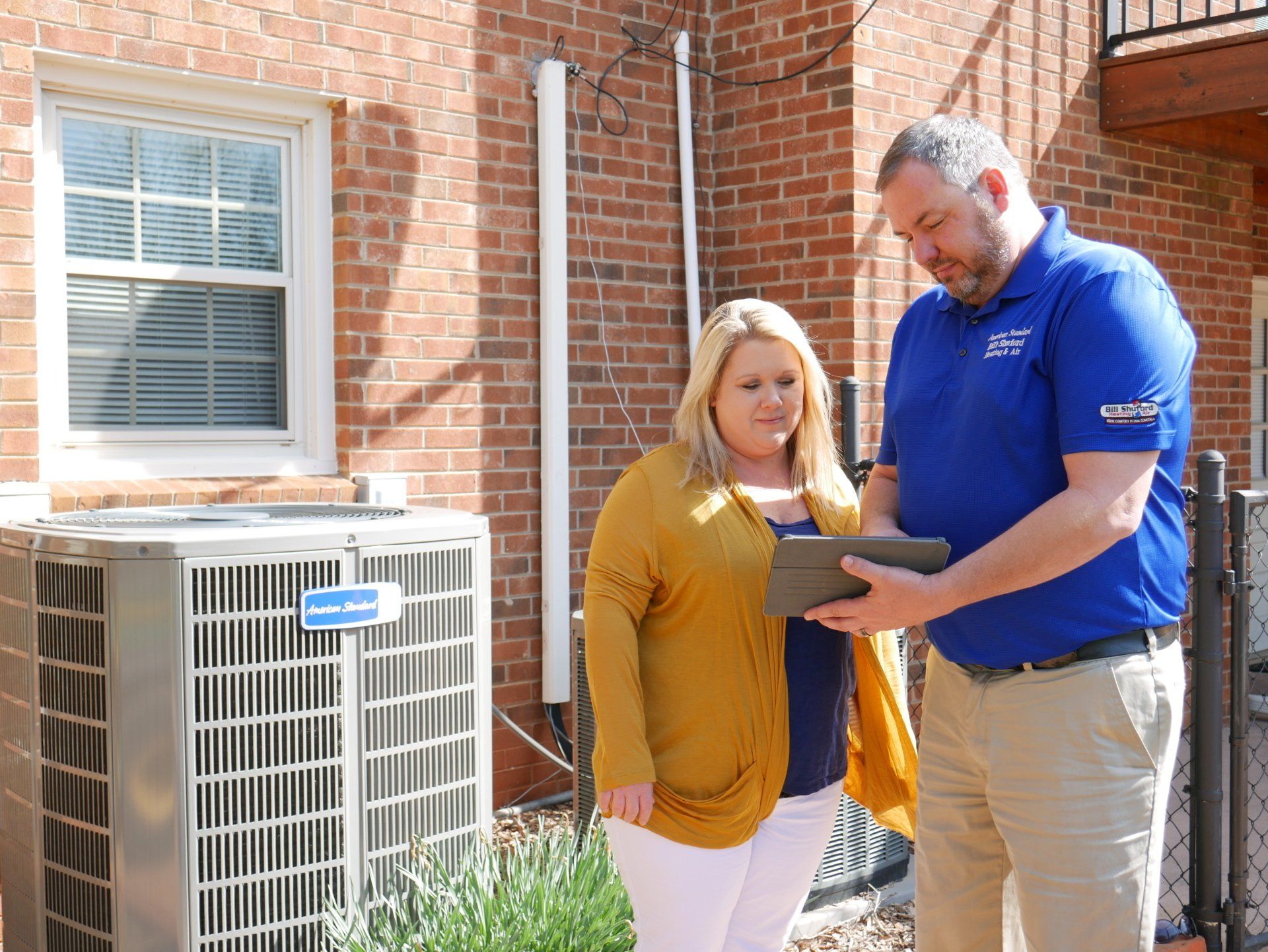
Every home is different, so the right solution depends on your equipment, indoor air quality concerns, and household needs. An HVAC professional can help you determine which options make the most sense for your home.
Enjoy the Fall Season with Cleaner, More Comfortable Air
Fall in Cleveland County should be about enjoying cooler temperatures, changing leaves, football weekends, and time with family and friends, not constantly worrying about sneezing and congestion. While no HVAC system can eliminate every allergen, proper filtration, regular maintenance, and good indoor air quality practices can help reduce airborne particles and improve your home's comfort. At Bill Shuford Heating & Air, we've proudly served Shelby, NC, and the surrounding Cleveland County communities since 1983.
Whether you're interested in improving your home's indoor air quality, need routine HVAC maintenance, or have questions about your heating and cooling system, our experienced team is here to help. Contact Bill Shuford Heating & Air today at 704-484-0025 to schedule service and breathe a little easier this fall!