How to Lower Your Cooling Bills This Summer with a Spring Tune-Up

May 16, 2025

As the summer heat rolls into Shelby and the surrounding Cleveland County area, many homeowners brace themselves for rising energy bills. But did you know that a simple spring HVAC tune-up can make a big difference when it comes to keeping your home cool and your energy costs down?


At Bill Shuford Heating & Air, we’ve seen firsthand how preventive maintenance pays off. Here's how scheduling a spring HVAC tune-up can help you lower your cooling bills this summer—and keep your system running strong all season long.


1. Improve Energy Efficiency

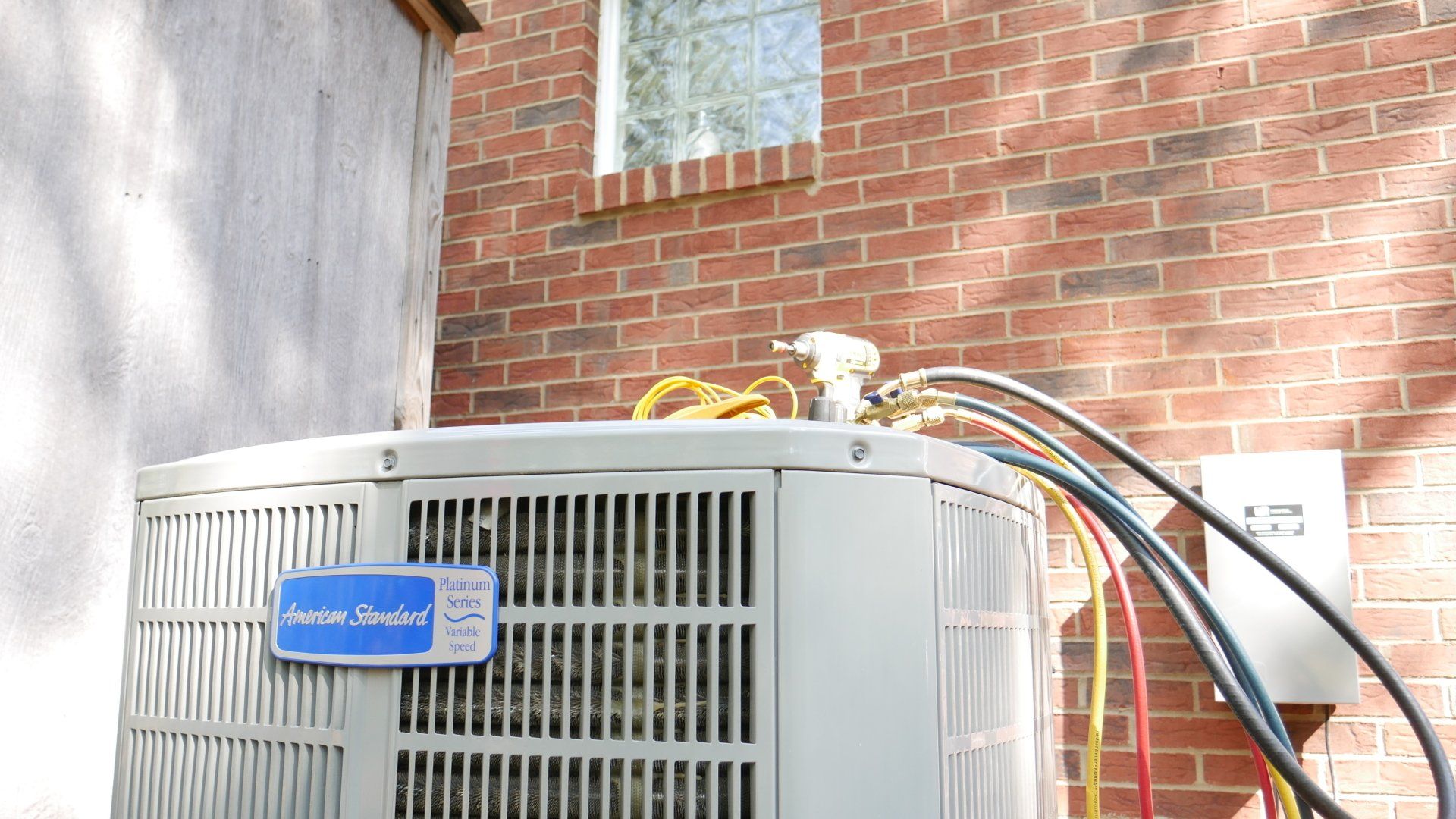
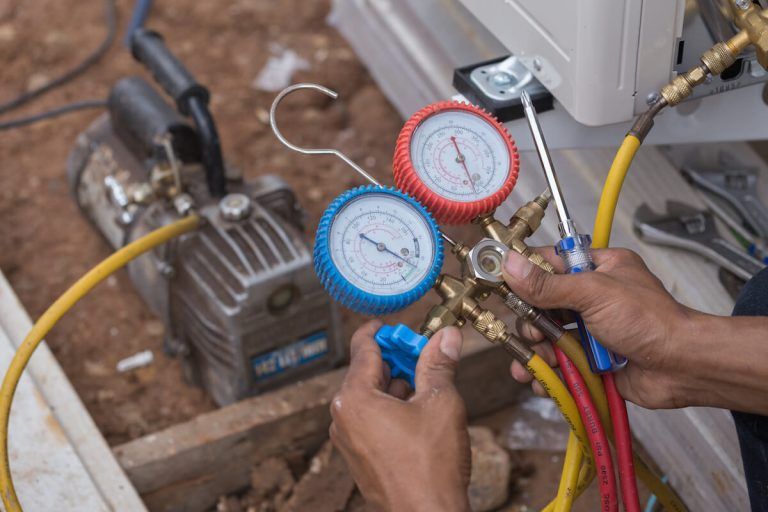
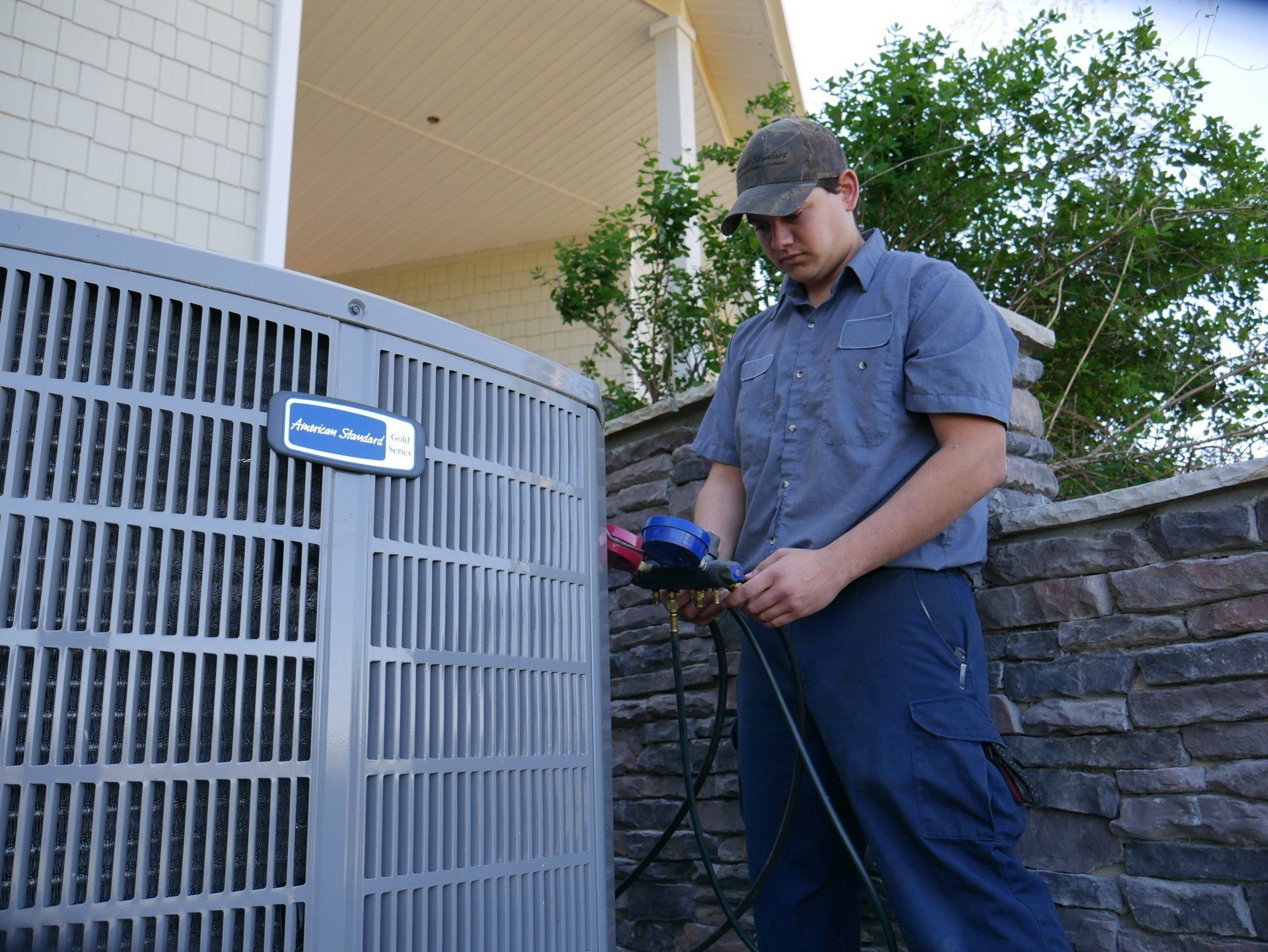
When your air conditioner is running at peak performance, it uses less energy to cool your home. A spring tune-up includes essential maintenance like:

  • Cleaning condenser coils
  • Checking refrigerant levels
  • Lubricating moving parts
  • Inspecting electrical components

These adjustments help your AC run more efficiently, which translates to lower utility bills throughout the summer.


2. Catch Small Issues Before They Become Big Problems

During a tune-up, our certified technicians thoroughly inspect your system for any signs of wear and tear. Addressing minor problems early—like a worn belt or clogged drain line—can prevent unexpected breakdowns and expensive repairs later on.

Pro tip: A system that runs smoothly also uses less energy to do its job, keeping your monthly cooling costs in check.


3. Extend the Life of Your System

Your HVAC system is one of the most important (and costly) investments in your home. Regular maintenance helps reduce the strain on your AC unit, extending its life and delaying the need for a costly replacement.

Think of a spring tune-up like a regular oil change for your car—it’s a small investment that keeps everything running better, longer.


4. Get Better, More Consistent Cooling

A poorly maintained air conditioner can lead to uneven temperatures, poor airflow, and a system that struggles to keep up with demand—especially during Shelby’s hot and humid summers. A well-maintained system cools your home faster and maintains a more comfortable temperature without running longer than necessary.


5. Take Advantage of Seasonal Specials

Spring is the best time to schedule your HVAC maintenance—not only to beat the summer rush but also to take advantage of seasonal service specials from Bill Shuford Heating & Air. It’s a great opportunity to save money on service and energy bills.


Schedule Your Spring Tune-Up Today!

Don’t wait for the first heatwave to discover that your AC isn’t ready. At Bill Shuford Heating & Air, we’re proud to help homeowners in Shelby, NC and the surrounding areas stay cool and save money with our expert HVAC services. Call us today at 704-484-0025 or schedule your spring tune-up online to get your AC system in top shape before the summer heat hits! Check out our cooling service page to learn more about how we can keep your Shelby, NC home cool and comfortable all summer long.

October 21, 2026
Fall in Shelby, NC, is one of the best times of the year. The temperatures are finally cooling down, the leaves are changing colors, and we're getting a much-needed break from the summer heat. But while fall brings beautiful weather to Cleveland County, it also brings something a little less enjoyable: seasonal allergies. If you've been dealing with sneezing, itchy eyes, congestion, or a runny nose lately, you're certainly not alone. Ragweed pollen, mold spores, and other airborne allergens can become a problem during the fall months in North Carolina. What many homeowners don't realize is that their heating and cooling system can play a role in the air they're breathing inside their homes. At Bill Shuford Heating & Air, we want to help you enjoy everything fall has to offer without worrying about what's floating around in your indoor air. Why Are Fall Allergies So Common in North Carolina? When most people think about seasonal allergies, spring is usually the first season that comes to mind. However, fall can be just as challenging for allergy sufferers. In Shelby and the surrounding areas, several factors can contribute to poor air quality during autumn. Ragweed Pollen Ragweed is one of the most common fall allergens in the Southeast. Its pollen season typically begins in late summer and can continue until the first significant frost. Because pollen travels through the air, it can easily find its way into your home through open doors, windows, and even on your clothing. Falling Leaves and Mold Those colorful leaves covering your yard may look beautiful, but piles of damp leaves can create an environment where mold grows. As leaves begin to decompose, mold spores can become airborne and contribute to allergy symptoms. Dust and Indoor Allergens As temperatures cool and homeowners begin spending more time indoors, dust, pet dander, and other indoor allergens can become more noticeable. While your HVAC system isn't necessarily creating these allergens, poor filtration and airflow can allow particles to continue circulating throughout your home. 1. Your Air Filter Is Your First Line of Defense One of the simplest ways to improve your home's indoor air quality is to check your HVAC air filter regularly. Your system's filter helps capture dust, pollen, pet dander, and other airborne particles as air circulates through your heating and cooling equipment. However, when a filter becomes dirty or clogged, it can restrict airflow and reduce system performance. During fall allergy season, consider checking your filter monthly and replacing it as needed. If allergies are a concern in your household, you may also want to ask about higher-efficiency filtration options. Just remember that not every HVAC system is designed to accommodate every type of filter, so it's important to choose one that's compatible with your equipment. 2. Be Mindful of When You Open Your Windows There's nothing quite like opening your windows on a beautiful October afternoon and letting the fresh fall air inside. However, if you or someone in your household suffers from seasonal allergies, opening windows can also invite pollen and other outdoor allergens into your home. On days when pollen counts are high, keeping windows closed and allowing your HVAC system to circulate filtered indoor air may help reduce exposure. You can still enjoy the cooler temperatures outside while taking a few extra steps to keep allergens from building up indoors. 3. Keep Your HVAC System Clean Over time, dust and debris can accumulate on certain HVAC components. If your system isn't properly maintained, buildup can affect airflow, efficiency, and potentially your indoor air quality. Routine HVAC maintenance can help identify issues such as dirty coils, drainage problems, and airflow restrictions before they become more serious. Fall is a convenient time to schedule an inspection, especially after your system has worked hard throughout the hot North Carolina summer. Keeping your equipment in good working condition helps support both home comfort and cleaner indoor air. 4. Don't Overlook Your Home's Humidity Levels Although the intense summer humidity is starting to fade, moisture can still be an issue during the fall months. Excess indoor humidity can create conditions that encourage mold and dust mite growth, both of which may contribute to allergy symptoms. On the other hand, extremely dry indoor air can irritate your nose and throat. For most homes, maintaining indoor relative humidity around 30% to 50% is a good goal. If your home frequently feels damp, smells musty, or develops condensation around windows, it may be worth having your HVAC system and humidity levels evaluated. 5. Consider Additional Indoor Air Quality Solutions Sometimes, changing your air filter and keeping up with regular maintenance isn't enough to address ongoing indoor air quality concerns. Depending on your home and HVAC system, additional solutions may be helpful. These could include: Upgraded air filtration: Higher-efficiency filters or dedicated filtration systems can help capture more airborne particles. Whole-home air cleaners: These systems work with compatible HVAC equipment to provide additional air filtration. Humidity control: Whole-home dehumidification or humidification equipment can help maintain more comfortable indoor moisture levels. Ventilation improvements: Proper ventilation can help reduce the buildup of certain indoor pollutants. Every home is different, so the right solution depends on your equipment, indoor air quality concerns, and household needs. An HVAC professional can help you determine which options make the most sense for your home. Enjoy the Fall Season with Cleaner, More Comfortable Air Fall in Cleveland County should be about enjoying cooler temperatures, changing leaves, football weekends, and time with family and friends, not con stantly worrying about sneezing and congestion. While no HVAC system can eliminate every allergen, proper filtration, regular maintenance, and good indoor air quality practices can help reduce airborne particles and improve your home's comfort. At Bill Shuford Heating & Air, we've proudly served Shelby, NC, and the surrounding Cleveland County communities since 1983. Whether you're interested in improving your home's indoor air quality, need routine HVAC maintenance , or have questions about your heating and cooling system, our experienced team is here to help. Contact Bill Shuford Heating & Air today at 704-484-0025 to schedule service and breathe a little easier this fall!

September 15, 2026
September in Shelby, NC can be a tricky time when it comes to keeping your home comfortable. One day may feel like the middle of summer, while the next morning gives you a hint of fall. Your air conditioner may still be running during the afternoon, but cooler mornings and evenings can leave you wondering where to set the thermostat. If your home feels a little less comfortable than usual during this time of year, your HVAC system may not necessarily be the problem. Seasonal changes can affect indoor temperatures, humidity levels, and how often your heating and cooling system runs. Here are a few reasons your home comfort may feel different as we transition from summer to fall. 1. Your AC Is Running Less Often During the hottest part of summer, your air conditioner runs frequently to keep up with the outdoor heat. As temperatures become milder, your system doesn't need to run as long or as often. While that sounds like a good thing—and usually is—shorter cooling cycles can sometimes change how your home feels. Your air conditioner doesn't just cool your home; it also helps remove moisture from the indoor air while it operates. When your AC runs less frequently, your home may occasionally feel warmer or more humid than the thermostat reading would suggest. 2. Cool Mornings and Hot Afternoons Make Thermostat Settings Tricky Early fall in North Carolina doesn't always mean consistently cool weather. You may wake up to a comfortable, cool morning only to have temperatures climb significantly by the afternoon. Constantly adjusting the thermostat to keep up with outdoor temperature changes can lead to unnecessary heating and cooling. Instead, consider using a programmable or smart thermostat to create a schedule that matches your family's routine. This can help maintain consistent comfort without constantly changing the temperature setting throughout the day. 3. Different Rooms May Heat Up at Different Rates The lower angle of the sun in late summer and early fall can change which rooms receive the most direct sunlight throughout the day. You might notice that one room feels perfectly comfortable while another becomes noticeably warmer in the afternoon. Closed blinds or curtains during periods of direct sunlight can help, but significant temperature differences between rooms may also indicate an airflow or ductwork issue. If certain rooms are consistently difficult to keep comfortable regardless of the season, having your HVAC system and airflow evaluated can help determine the cause. 4. Your Air Filter Has Been Through a Long Summer Your cooling system has likely been working hard for the past several months. By September, it's a good idea to take another look at your HVAC filter. A dirty filter can restrict airflow and make it more difficult for your system to maintain an even temperature throughout your home. Depending on your filter, household, pets, and system usage, filters may need to be replaced more frequently. Checking your filter now is a simple way to help your system finish the cooling season strong. 5. Ceiling Fans Can Help During Mild Weather Don't forget about your ceiling fans as temperatures begin to moderate. A ceiling fan can make a room feel more comfortable without requiring you to lower the thermostat. Just remember that fans cool people—not rooms—so turn them off when you leave to avoid wasting electricity. During these in-between weeks, using ceiling fans strategically can help you stay comfortable while giving your HVAC system a little break. When Is It More Than Just the Changing Weather? Some comfort changes are normal during the transition between seasons, but certain problems shouldn't be ignored. Contact an HVAC professional if you notice: Some rooms are consistently much warmer or cooler than others Your system is turning on and off unusually frequently Airflow from your vents seems weaker than normal Your home feels excessively humid Your energy bills have increased unexpectedly Your system is making unusual noises or producing strange odors These symptoms could indicate an issue that should be addressed before cooler weather arrives. Stay Comfortable Through Every Season in Shelby, NC Late summer and early fall can bring some of the most unpredictable temperatures of the year in North Carolina. A little attention to your thermostat, airflow, air filters, and indoor humidity can go a long way toward keeping your home comfortable as the seasons change. If something doesn't seem right with your heating and cooling system, the team at Bill Shuford Heating & Air is here to help. We've proudly served Shelby, NC and the surrounding area since 1983 with professional heating and air conditioning service, maintenance, repair, and replacement. Contact Bill Shuford Heating & Air today to schedule HVAC service and make sure your home is ready for whatever North Carolina weather brings next.
August 10, 2026
August in Shelby, NC, usually means two things: plenty of heat and the possibility of afternoon thunderstorms. After a hot, sunny day, storms can develop quickly and bring heavy rain, strong winds, and lightning to Cleveland County. While the rain may provide a temporary break from the heat, summer storms can also create problems for your air conditioning system. Knowing what to watch for before and after a storm can help you protect your HVAC equipment and recognize when it may be time to call a professional. How Summer Storms Can Affect Your Air Conditioner Your outdoor AC unit is designed to handle normal exposure to rain and weather. In fact, rainfall by itself usually isn't a problem. The bigger concerns during a strong summer storm are lightning, power fluctuations, wind-blown debris, and excessive water around the outdoor unit. 1. Power Surges Can Damage HVAC Components Lightning doesn't have to strike your home directly to cause trouble. Nearby lightning and changes in the electrical grid can create power surges that affect sensitive components inside your HVAC system. After a storm, you may notice that your air conditioner won't turn on, the thermostat isn't responding, or the system is behaving differently than it did before. If your AC stops working following a thunderstorm, avoid repeatedly resetting breakers or trying to force the system to run. There could be an electrical issue that needs professional attention. 2. Wind Can Blow Debris Around the Outdoor Unit Strong thunderstorms can send leaves, sticks, grass, and other debris toward your outdoor condenser. Your AC needs adequate airflow around the unit to release heat effectively. When debris collects around the condenser or gets lodged against it, airflow can become restricted. Once the storm has passed and conditions are safe, take a quick look around your outdoor unit. Remove loose leaves and small debris from the surrounding area, but leave anything lodged inside the equipment to an HVAC professional. 3. Heavy Rain Can Create Drainage Problems A properly installed outdoor AC unit should be able to handle normal rainfall. However, standing water is another matter. After periods of heavy rain, check the area around your condenser. Water should drain away rather than collect around the base of the unit. If you regularly notice standing water around your AC after storms, you may want to address the drainage around the area. Persistent water can contribute to erosion and other problems around your equipment. 4. Don't Cover Your AC Before a Storm It may seem logical to cover your outdoor air conditioner when thunderstorms are approaching, but that's usually unnecessary. Your outdoor unit is built to withstand rain. Covering it while it's operating can restrict airflow and potentially cause more problems than the storm itself. Instead, keep the area around the condenser clear and make sure shrubs, weeds, and other vegetation aren't crowding the equipment. What Should You Check After a Strong Thunderstorm? Once the weather has cleared and it's safe to go outside, give your HVAC system a quick check. Pay attention to whether: The AC starts and runs normally Your home is cooling as expected The thermostat is functioning properly You hear any new buzzing, clicking, or unusual noises There is visible debris around the outdoor unit The breaker has tripped Water is pooling around the condenser If something seems different after the storm, don't ignore it simply because the system is still running. Electrical or mechanical problems can sometimes begin with relatively minor symptoms. Don't Let a Summer Storm Leave You Without AC August is no time to be without air conditioning in Shelby. When temperatures are in the 90s, even a short interruption can make your home uncomfortable quickly. If your air conditioner stops working after a storm, begins making unusual noises, or simply doesn't seem to be cooling like it did before, Bill Shuford Heating & Air can help determine what's going on. Since 1983, Bill Shuford Heating & Air has served homeowners throughout Shelby and Cleveland County with dependable heating and cooling services. Our experienced technicians can inspect your system, identify potential problems, and help get your home comfortable again. Having AC trouble after a summer storm? Call Bill Shuford Heating & Air at 704-484-0025 to schedule service.
July 16, 2026
Summer in Shelby is in full swing, and with temperatures climbing into the 90s and humidity making the air feel even hotter, your air conditioner is working harder than it has all year. It's no surprise that July is often when homeowners notice their highest electric bills. The good news? A few simple adjustments can help your HVAC system run more efficiently while keeping your home comfortable during the hottest weeks of the summer. Why July Is So Hard on Your Air Conditioner Unlike the mild temperatures of spring, July brings long stretches of hot, humid weather. Your air conditioner isn't just cooling your home—it's also removing moisture from the air. That extra workload means your system runs longer, uses more energy, and experiences more wear and tear. If your HVAC system isn't operating efficiently, you'll likely notice it on your monthly utility bill. 5 Ways to Lower Cooling Costs This Summer 1. Don't Constantly Adjust the Thermostat Many homeowners turn the thermostat down several degrees hoping the house will cool faster. Unfortunately, air conditioners don't work that way. Setting the thermostat much lower only causes the system to run longer. A consistent temperature around 76–78 degrees while you're home is usually the best balance between comfort and efficiency. 2. Change Your Air Filter One of the easiest ways to improve efficiency is replacing a dirty air filter. When airflow is restricted, your system has to work much harder to cool your home. During the summer, check your filter every month and replace it whenever it looks dirty. 3. Keep Heat Out of Your Home Small changes can make a noticeable difference. Close blinds and curtains during the hottest part of the afternoon. Avoid using the oven during peak heat whenever possible. Use ceiling fans to help circulate cool air. Remember to turn fans off when you leave the room since they cool people—not the room itself. 4. Give Your Outdoor Unit Some Space Your outdoor condenser needs plenty of airflow to operate efficiently. Grass clippings, weeds, shrubs, and other debris can restrict airflow and force the system to work harder. Keep at least two feet of clearance around the outdoor unit and gently remove leaves or debris that may have accumulated. 5. Schedule Service if Something Doesn't Feel Right If your home isn't cooling evenly, your system seems to run all day, or your electric bill has increased significantly compared to previous summers, it may be time for a professional inspection. Small issues such as low refrigerant, dirty coils, or airflow restrictions can reduce efficiency long before they cause a complete breakdown. Don't Ignore the Warning Signs Your air conditioner may be trying to tell you it needs attention. Call a professional if you notice: Warm air coming from your vents Weak airflow Unusual noises Frequent cycling on and off Rising utility bills without a clear explanation Addressing these problems early can often prevent more expensive repairs later in the season. Stay Comfortable All Summer Long North Carolina summers are demanding, but your HVAC system doesn't have to struggle through them. A little preventative care can improve comfort, lower energy costs, and help extend the life of your equipment. Since 1983, Bill Shuford Heating & Air has helped homeowners throughout Shelby and Cleveland County stay cool with dependable HVAC maintenance, repairs, and system replacements. Whether your air conditioner needs a quick repair or you're looking for ways to improve efficiency, our experienced technicians are here to help. Contact Bill Shuford Heating & Air today to schedule your air conditioning service and enjoy reliable comfort for the rest of the summer.
June 11, 2026
Summer has arrived in Shelby, NC, and many homeowners are noticing a familiar problem: one room in the house never seems to cool down as well as the rest. Maybe it's an upstairs bedroom that's always too warm, a bonus room over the garage, or a home office that gets afternoon sun. While it may seem like a minor annoyance, uneven temperatures can be a sign that your HVAC system isn't operating as efficiently as it should. Let's take a look at some of the most common reasons certain rooms struggle to stay comfortable during the summer months. Sun Exposure Makes a Big Difference Not all rooms receive the same amount of sunlight throughout the day. Rooms with large windows or western exposure often absorb more heat, especially during the afternoon when temperatures are at their highest. Even with your air conditioner running properly, these rooms may require additional cooling to offset the heat gain from the sun. Simple solutions such as blinds, curtains, or window treatments can help reduce the amount of heat entering the space. Airflow Problems Your HVAC system relies on proper airflow to distribute conditioned air throughout your home. If airflow is restricted, some rooms may not receive enough cool air to stay comfortable. Common causes include: Blocked supply vents Closed dampers Dirty air filters Furniture covering vents Leaky ductwork Even small airflow issues can have a noticeable impact on comfort. The Challenges of Two-Story Homes Heat naturally rises, which is why second floors often feel warmer during the summer. If your thermostat is located downstairs, it may reach the desired temperature before the upper level has had a chance to cool completely. As a result, the system shuts off while upstairs rooms remain uncomfortable. In some cases, zoning solutions or thermostat adjustments can help improve temperature balance throughout the home. Your HVAC System May Be Aging As air conditioning systems age, they can lose efficiency and struggle to maintain consistent temperatures throughout the home. Older systems may run longer, cool unevenly, or have difficulty keeping up during periods of extreme heat. If you've noticed comfort issues becoming more frequent over the last few summers, it may be time to have your system evaluated by a professional. Ductwork Could Be the Culprit Many homeowners are surprised to learn that comfort problems often originate in the ductwork rather than the air conditioner itself. Leaks, disconnected sections, poor design, or inadequate insulation can prevent conditioned air from reaching certain areas of the home. Because ductwork is typically hidden behind walls, in crawl spaces, or in attics, these issues can go unnoticed for years. Don't Ignore Uneven Temperatures A room that's consistently hotter than the rest of the house is more than just an inconvenience. It can indicate reduced efficiency, increased energy usage, and unnecessary strain on your HVAC system. The good news is that many comfort issues can be corrected once the root cause is identified. Get Comfortable in Every Room This Summer At Bill Shuford Heating & Air, we help homeowners throughout Shelby and Cleveland County solve comfort problems of all kinds. Whether the issue is airflow, ductwork, system performance, or something else entirely, our experienced technicians can help identify the cause and recommend the right solution. If you're tired of dealing with hot spots throughout your home, give Bill Shuford Heating & Air a call today. We'll help make sure every room stays comfortable all summer long. Check out our cooling service page to learn more about how we can keep your Shelby, NC home cool and comfortable this summer.
May 22, 2026
As temperatures begin climbing in Shelby, NC, your air conditioner is about to enter its busiest season of the year. The last thing any homeowner wants is an unexpected AC breakdown during the hottest days of summer. Fortunately, your system will often give warning signs before a major failure happens. At Bill Shuford Heating & Air, we encourage homeowners to pay attention to early symptoms that could signal it’s time for repairs or replacement before summer heat arrives in full force. 1. Your AC Is Running Constantly If your air conditioner never seems to shut off, it may be struggling to keep up with demand. This can be caused by aging equipment, dirty coils, low refrigerant, or airflow issues. Constant operation not only increases energy bills but also places extra strain on the system. 2. Warm Spots Around the House Uneven cooling is a common sign that your HVAC system is no longer operating efficiently. If some rooms feel comfortable while others stay warm, there could be issues with ductwork, airflow, or the AC unit itself. 3. Strange Noises Are Getting Louder Grinding, banging, squealing, or rattling noises should never be ignored. Unusual sounds often indicate loose components, motor issues, or worn-out parts that could lead to a complete breakdown if left untreated. 4. Energy Bills Keep Increasing A sudden spike in your cooling costs could mean your system is working harder than it should. Older systems naturally lose efficiency over time, especially during peak summer temperatures in North Carolina. 5. Your System Is More Than 10–15 Years Old Even well-maintained air conditioners eventually reach the end of their lifespan. If your system is over a decade old and requiring frequent repairs, replacing it with a newer high-efficiency model may save you money in the long run.  Don’t Wait Until the Hottest Day of Summer Spring is the perfect time to have your system inspected before the summer rush begins. Catching small problems early can help prevent costly emergency repairs and keep your home comfortable all season long. At Bill Shuford Heating & Air, our experienced team provides professional AC inspections, repairs , maintenance, and system replacements for homeowners throughout Shelby and the surrounding areas. If your air conditioner is showing signs of trouble, contact Bill Shuford Heating & Air today to schedule service before the summer heat arrives. Give Bill Shuford Heating & Air a call today to schedule your next air conditioning service!
April 21, 2026
As spring settles into Shelby, NC, many homeowners start to notice something frustrating: your home might feel cool—but still uncomfortable. If the air feels sticky, damp, or heavier than usual, you’re not alone. This time of year in Cleveland County brings rising humidity, and your HVAC system plays a bigger role in managing that than most people realize. At Bill Shuford Heating & Air, we often hear this question in the spring: “Why does my house feel humid even when the AC is running?” Let’s break down what’s happening—and what you can do about it. The Real Problem: Spring Humidity in North Carolina Spring in Shelby isn’t just about warmer temperatures—it’s also when humidity starts climbing quickly. Even before peak summer heat arrives, moisture in the air can make your home feel: Muggy or sticky Warmer than the thermostat reading Harder to cool evenly Uncomfortable, especially at night Your air conditioner does remove humidity—but only when it’s running long enough to do so effectively. Why Your AC Might Not Be Dehumidifying Properly Early in the season, temperatures fluctuate. That creates a few common issues: 1. Short Cooling Cycles When it’s not quite hot yet, your AC may turn on and off quickly. That means it cools the air—but doesn’t run long enough to remove much moisture. 2. Oversized Systems If your system cools your home too quickly, it may shut off before properly dehumidifying the air. 3. Thermostat Settings Lowering the temperature doesn’t always fix humidity—it can actually make your system cycle faster and worsen the issue. Signs Humidity Is Affecting Your Home Not sure if humidity is the problem? Look for these signs: Windows fogging up in the morning A “clammy” feeling indoors Musty smells in certain rooms Increased allergy symptoms Air feeling cool but not comfortable If any of these sound familiar, your HVAC system may need attention. Simple Ways to Improve Comfort Right Now The good news is there are a few easy steps you can take: Set Your Fan to “Auto” Keeping the fan on “On” can reintroduce moisture into your home. Switching it to “Auto” allows proper humidity removal. Change Your Air Filter A dirty filter restricts airflow, making it harder for your system to remove moisture effectively. Keep Vents Open and Clear Blocked airflow can reduce your system’s ability to balance temperature and humidity throughout your home. Use a Programmable or Smart Thermostat Better scheduling helps your system run more efficiently and maintain more consistent comfort levels. When It’s Time to Call a Professional If your home still feels humid even after adjusting your settings, it may be time to have your system evaluated. A professional can check for: Improper system sizing Drain or coil issues Airflow restrictions Humidity control options, such as whole-home dehumidifiers Addressing these early can improve comfort now—and prevent bigger issues when the real summer heat hits. Stay Comfortable Before Summer Arrives Spring in Shelby is a transition season, and your HVAC system needs to adapt just like you do. If your home feels off—even if the temperature looks right—humidity is often the missing piece. At Bill Shuford Heating & Air, we’ve been helping homeowners in Shelby and Cleveland County stay comfortable since 1983 with reliable service you can count on. If your home isn’t feeling quite right this spring, we’re here to help you get ahead of the heat—and the humidity—before summer arrives. Call us today to schedule your next HVAC service before it's too late!
March 25, 2026
As winter fades and warmer days start rolling into Shelby, many homeowners are tempted to enjoy the mild weather and forget about their HVAC system altogether. But here’s the truth—what you do (or don’t do) in early spring can make or break your comfort once the Carolina heat hits. At Bill Shuford Heating & Air, we’ve been helping families across Cleveland County stay comfortable since 1983, and we’ve seen it time and time again: the homeowners who prepare in spring are the ones who avoid mid-summer breakdowns. The Hidden Problem: Your AC Has Been Sitting All Winter Even though your air conditioner hasn’t been running much, that doesn’t mean it’s ready to go. Over the winter months, your system can collect dust, debris, and even develop minor issues that go unnoticed. HVAC professionals consistently point out that spring is the ideal time for maintenance because systems have been idle and need a tune-up before heavy summer use. If you wait until the first 90-degree day, you’re not just competing with everyone else for service—you’re also risking a breakdown when you need cool air the most. 5 Smart Things Shelby Homeowners Should Do Right Now 1. Check (and Change) Your Air Filter This is the simplest step—but also the most overlooked. A dirty filter restricts airflow, forces your system to work harder, and can even lead to breakdowns. In fact, experts estimate that a large percentage of HVAC issues stem from clogged filters. Quick tip: If you hold your filter up to the light and can’t see through it, it’s time to replace it. 2. Clear Around Your Outdoor Unit Leaves, pollen, and debris tend to build up around your outdoor unit during winter and early spring. Make sure there’s at least a couple of feet of clear space around it so your system can breathe properly. Good airflow = better efficiency and lower energy bills. 3. Test Your AC Before You Actually Need It Don’t wait for the first hot day to flip the switch. Turn your system on for a test run now. Listen for unusual noises, check that cool air is coming through your vents, and make sure your thermostat is working properly. Catching small issues early can save you from a much bigger repair later. 4. Take Advantage of Mild Temperatures Spring in North Carolina is unpredictable—cool mornings, warm afternoons, and everything in between. That’s actually a good thing. Use these mild days to: Open windows when possible Give your system a break Adjust your thermostat for energy savings This helps reduce wear and tear before summer arrives. 5. Schedule a Professional Tune-Up This is the big one. A professional spring maintenance visit ensures your system is clean, efficient, and ready for the months ahead. During a tune-up, technicians typically: Inspect key components Clean coils and drain lines Check refrigerant levels Catch small issues before they become expensive problem Regular maintenance can improve efficiency, extend the life of your system, and help prevent costly breakdowns. Why This Matters More in North Carolina Here in Shelby, we don’t ease into summer—we jump straight into heat and humidity. North Carolina summers are known for being hot and humid, which forces your AC system to work harder not just to cool your home, but to remove moisture as well. If your system isn’t prepared, that extra strain can lead to: Higher energy bills Uneven cooling Increased wear and tear Unexpected breakdowns Don’t Wait Until It’s Too Late The best time to take care of your HVAC system isn’t when it breaks—it’s right now, while the weather is still mild. A little attention in early spring can mean: Lower energy costs Better indoor comfort Fewer repairs A stress-free summer At Bill Shuford Heating & Air, we’re here to make sure your system is ready before the heat arrives—so you can stay cool and comfortable no matter what the Carolina weather brings.
February 24, 2026
As we move through late February into early March here in Shelby, NC, our weather starts teasing us with spring-like days — only to swing back to chilly temperatures overnight. That kind of fluctuation isn’t just uncomfortable for you and your family — it places stress on your HVAC system in ways most homeowners don’t realize.In this blog, we’ll explain why these unpredictable temperature swings matter, how they impact your heating and cooling equipment, and what you can do now to prepare for the season ahead. 1. Why Temperature Swings Put Stress on Your System During late winter, it’s common to have warm afternoons followed by cold nights. While that might feel great for afternoon walks, it creates a situation where your HVAC system: Cycles on and off more frequently Works harder to maintain set temperatures Uses more energy than steady seasonal weather Frequent cycling isn’t just inefficient — it increases wear and tear on components like the compressor, blower motor, and thermostat. 2. Heating Isn’t Done Yet — But Cooling Is Closer Than You Think You might think winter is over once the days warm up, but the Shelby area often sees cool nights through March. Meanwhile, spring is already knocking at the door. That means: ✅ Your heating system still needs to run occasionally ✅ Your air conditioner will soon take over This transition period is a perfect time to ensure both sides of your HVAC are ready — before you truly need them. 3. Signs Your System Is Feeling the Strain Here are a few issues we see frequently during late winter weather swings: Uneven temperatures from room to room System short cycling Rising energy bills Strange noises during startup or shutdown If you’re noticing any of these, don’t wait — small issues now often become bigger, more costly repairs later. 4. Late Winter HVAC Tune-Up: What to Expect Scheduling a service visit now can make a big difference. A thorough check-up includes: Filter inspection and replacement Thermostat calibration Inspection of electrical components Testing airflow and refrigerant levels Safety checks for heat exchangers and burners A professional tune-up improves comfort now, prevents breakdowns, and helps your system run more efficiently as seasons change. 5. Get Ahead of Spring — Save on Cooling Costs Later Early maintenance isn’t just about winter — it sets you up for a smoother, more cost-effective cooling season. A system that starts spring ready to go will: Maintain better humidity control Reduce peak-season energy use Avoid emergency repairs during hot weather Tips for Shelby Homeowners This Month ✔ Change your air filter every 1–3 months ✔ Keep outdoor units clear of debris ✔ Check insulation around doors and windows ✔ Set your thermostat to a consistent schedule ✔ Schedule your spring HVAC tune-up now Bottom Line Late winter weather swings can be more than just a comfort nuisance — they can impact the health and efficiency of your HVAC system. Now is the perfect time to let Bill Shuford Heating & Air give your system the attention it deserves before spring arrives. Ready to schedule your HVAC tune-up ? Contact us today — we’ve been serving Shelby and surrounding areas for decades with trusted heating and cooling service.
January 16, 2026
If you live in Shelby or anywhere in Cleveland County, you’ve probably experienced our classic winter pattern: chilly mornings in the 30s, mild afternoons in the 50s, and the occasional overnight freeze. During these colder mornings, some homeowners notice their heat pump briefly blowing cool air and wonder if something is wrong. The good news? In most cases, it’s completely normal — and actually a sign that your system is protecting itself. Understanding the Defrost Cycle Unlike a traditional furnace, a heat pump pulls warmth from the outdoor air to heat your home. When temperatures drop near or below freezing, moisture in the air can form frost on the outdoor unit’s coils. Too much frost blocks airflow and reduces efficiency. To prevent this, your heat pump automatically enters a defrost cycle . During defrost: The system temporarily switches to cooling mode The outdoor coil warms up to melt frost You may feel cooler air from your vents for a few minutes Once the frost clears, the system returns to normal heating. Why It’s Common in Shelby Winters Our winter climate is the perfect recipe for defrost cycles: Cold overnight temperatures Morning humidity Frequent temperature swings These conditions cause frost buildup more often than in dry or consistently cold climates. So if you notice short bursts of cooler air on winter mornings, your system is likely doing exactly what it’s designed to do. When Cool Air Could Signal a Problem While brief cool airflow is normal, you should call for service if: Cool air lasts longer than 10–15 minutes Your system never seems to warm the home The outdoor unit is covered in solid ice Your electric bill suddenly increases These could indicate low refrigerant, sensor issues, or airflow problems. How to Help Your Heat Pump This Winter A few simple habits can keep things running smoothly: Don’t turn your thermostat way up to “force” heat — it won’t speed things up Keep leaves and debris away from the outdoor unit Make sure snow or ice isn’t blocking airflow Schedule seasonal maintenance to keep coils clean and sensors calibrated Reliable Comfort All Winter Long Heat pumps are one of the most efficient ways to heat a home in North Carolina — but understanding how they work helps you get the best performance and peace of mind. If your system seems off or you just want reassurance that everything is operating correctly, Bill Shuford Heating & Air is here to help Shelby homeowners stay warm and worry-free all winter long. Check out our heating services page to learn more about how we can keep your Shelby, NC home warm and cozy all winter long.